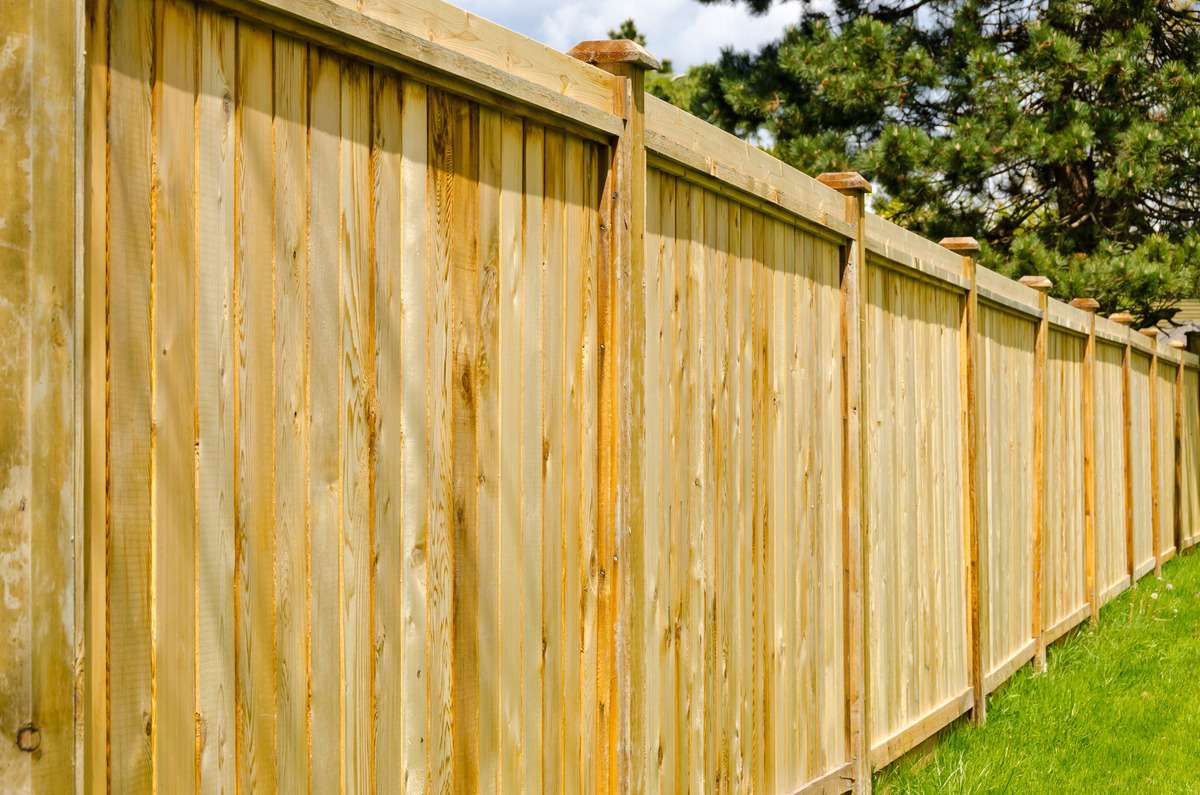
Planning a new fence for your home or business? Choosing the best fence material Ocala, Florida property owners can rely on to handle the local climate is the first decision you’ll face. Between the year-round humidity, intense summer sun, and the potential for hurricane-force winds, your fence needs to do more than look good—it has to stand up to the elements.
For many Ocala residents, this decision often comes down to vinyl or wood. Both offer unique advantages in terms of appearance, durability, and cost, but the real question is how each material performs in Central Florida’s challenging conditions. Let’s take a closer look at how vinyl and wood stack up against Ocala’s climate so you can find the perfect fence that suits your needs, your budget, and your lifestyle.
#1: Ocala’s Unique Climate Challenges for Fencing Materials
Before you start looking at material options, it helps to know exactly how Florida weather affects fences. Ocala’s mix of heat, humidity, and storms pushes fence materials to their limit, making your choice more than just an aesthetic decision. You need to find a fence that can survive year after year in one of the country’s most demanding climates.
Understanding Central Florida’s Weather Impact
Living in Ocala means adapting to Central Florida’s subtropical climate, and your fence has to do the same. Summer temperatures regularly climb into the 90s, with sticky humidity hovering between 71% and 78% for much of the year. Add to that an annual rainfall of about 42.4 inches (much of it falling between June and September) and you can see why materials that might last decades in a dry northern climate often break down faster here.
Hurricane season brings its own threats. Just last year, winds of 78mph were recorded at Ocala Regional Airport during Hurricane Milton, underscoring how easily severe weather can damage poorly chosen fences. Temperature swings also stress materials, with winter lows dipping into the 40s before soaring back toward 90°F in summer. This constant cycle of expansion, contraction, and moisture exposure creates the perfect recipe for fence wear and tear.
Common Fence Damage in Marion County
In Marion County, homeowners and commercial property owners alike experience fence challenges tied to the local climate. Moisture is the top culprit, leading to wood rot, warping, and mold growth. Florida’s subtropical environment also fuels termite activity, which can quickly compromise untreated wood.
The sun is just as punishing, delivering up to 10.8 hours of daily exposure during peak summer months. That level of UV radiation causes fading, brittleness, and structural weakening. Add in the heavy thunderstorms and the occasional hurricane rolling through Central Florida, and it’s easy to see why some fence types may need repairs or replacement sooner than expected.
Why Material Choice Matters More in Florida
Because of these unique conditions, the material you select for your new fencing is an important decision. Fences in Florida require more frequent maintenance compared to those in northern states, and the rate of deterioration is often accelerated by our local weather. The right material not only saves you from constant upkeep but can also protect your property value and even influence insurance considerations in storm-prone areas.
That’s why so many property owners take extra care to compare vinyl vs. wood fencing before making a final choice. Each option has strengths and weaknesses, but understanding how they hold up in Ocala’s climate is the first step to making a decision that will last.
#2: Comparing Wood Fencing Performance in Ocala’s Climate
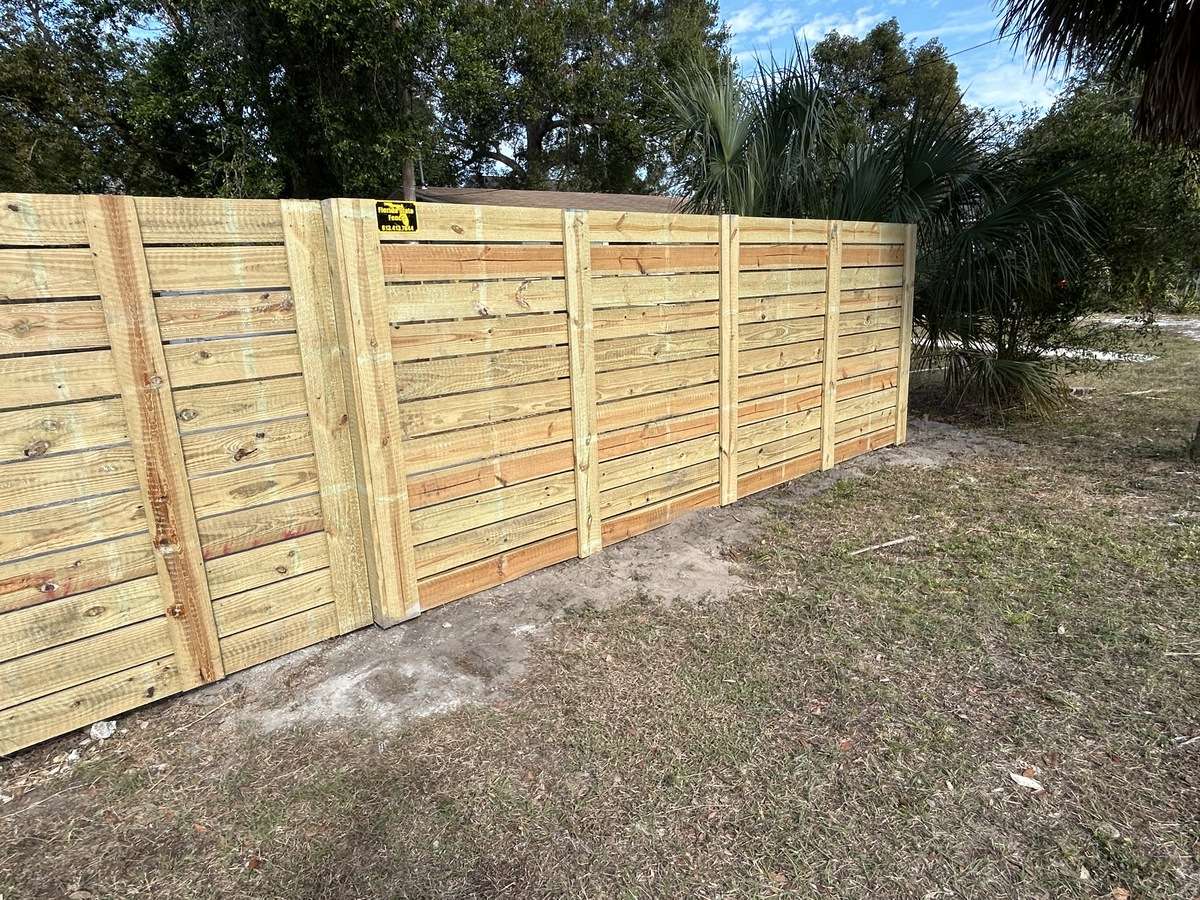
Wood fencing in Ocala remains a popular choice for many homeowners, but Central Florida’s humid environment means you’ll need to weigh long-term care against upfront savings. While wood offers a timeless look and natural appeal, its performance is directly tied to how well it’s maintained in Florida’s climate.
Wood Fence Durability in High Humidity
A wood fence can last anywhere from 10 to 20 years when properly cared for. Pressure-treated pine is the most common and affordable option, but it absorbs more moisture in Ocala’s 71–78% average humidity, which can lead to quicker warping and decay. Cedar offers better natural resistance to rot and insects but comes at a higher upfront cost. Regardless of the wood type, you’ll need to plan on treatments like annual sealing and bi-annual staining to waterproof your wood fence and protect it from sun damage. Working with a local expert for professional wood fence installation gives your fence the best chance to withstand Ocala’s conditions.
Real Maintenance Costs for Ocala Homeowners
One of the biggest considerations with wood fencing is upkeep. Wood fence maintenance in Florida is more demanding compared to many other regions, and those costs add up over time. Here’s a breakdown of typical expenses Ocala homeowners face:
| Maintenance Item | Cost Range |
| Annual maintenance | $200-$500 |
| Staining/sealing (every 2 years) | $1,000-$2,500 |
| Termite treatment | $300-$1,200 |
| Rot repair (per incident) | $150-$500 |
Over a 20-year period, homeowners in Marion County can expect an additional $8,000 to $15,000 in maintenance and repair costs for a wood fence.
When Wood Fencing Makes Sense
Even with its maintenance demands, wood fencing can still be the right choice in certain situations. If you only plan to stay in your home or business location for a short time—say one to five years—the lower upfront cost of $11 to $18 per linear foot can make financial sense. Wood also complements historic properties in Ocala with its traditional charm, and it’s often chosen when customization is a priority. From decorative latticework to custom stains, wood gives you design flexibility that vinyl sometimes can’t match.
#3: Vinyl Fencing Advantages in Florida’s Subtropical Environment
Now let’s take a closer look at vinyl fence benefits in Florida. When you compare materials for fencing in Ocala, vinyl stands out for its ability to thrive in Florida’s subtropical climate. Unlike wood, vinyl absorbs no moisture, meaning it won’t rot, warp, or swell even in Ocala’s average 78% humidity. That makes vinyl one of the most reliable choices for homeowners who want to avoid the cycle of sealing, staining, and repairing that comes with wood fences.
Hurricane performance is another area where vinyl has proven its value. Modern vinyl fences are designed with flexibility that allows them to bend, not break, in high winds. Many systems are rated to withstand gusts of 100–130 mph (far exceeding the 78mph winds recorded during Hurricane Milton at Ocala Regional Airport). This resilience gives property owners confidence that a vinyl fence in Ocala, FL will hold up during Florida’s unpredictable storm seasons.
With Central Florida experiencing nearly 11 hours of direct sunlight during peak summer days, vinyl has a clear advantage thanks to UV-resistant formulations that prevent fading and discoloration. While wood may lose its color or structural strength under the same conditions, vinyl maintains its clean, polished look year after year. You also don’t have to worry about termites, since PVC offers no nutritional value for one of Florida’s most common pests.
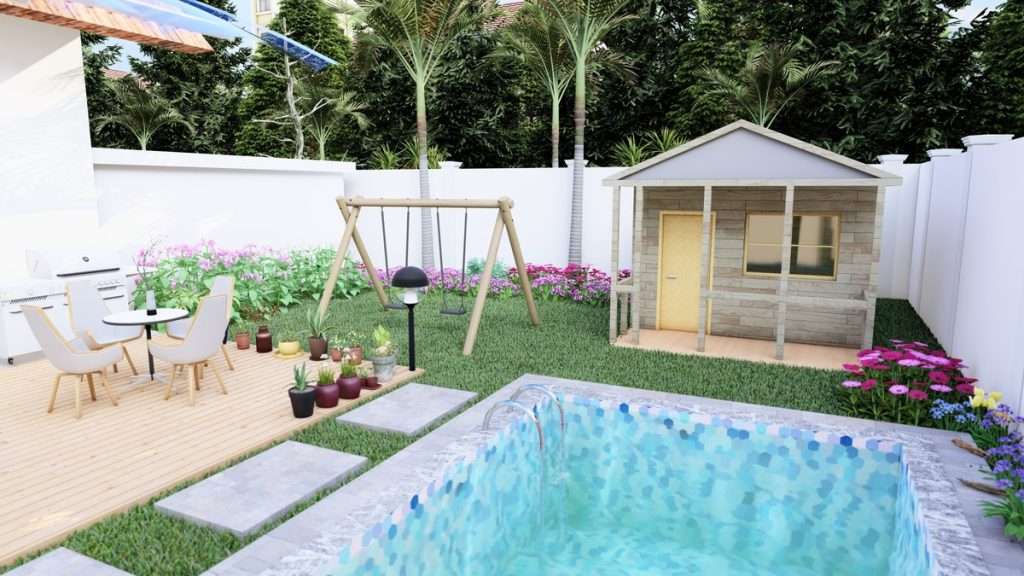
A quick annual rinse with a hose is usually all it takes to keep vinyl fences looking new—no painting, sealing, or chemical treatments required. That low upkeep helps explain vinyl’s long-term cost advantages. While the initial investment ranges from $15 to $30 per linear foot, vinyl delivers a projected 65% return on investment compared to just 10% for wood. With a typical lifespan of 20–30 years in Florida conditions, many homeowners see vinyl as the smarter financial decision. It’s also a green choice, since vinyl is made from recyclable materials.
Vinyl fencing styles have come a long way and offer customizations to personalize the look of your fence. Florida State Fence offers white or tan color options, with both privacy and picket styles available. We also have two distinct rail designs, giving you the flexibility to match your property’s look. All vinyl installations come with a one-year labor warranty on fences and gates, plus strong manufacturer warranties on the materials themselves. For larger projects, we provide commercial-grade vinyl fencing solutions designed to perform in high-demand settings.
#4: Making the Right Choice: Cost-Benefit Analysis for Ocala Properties
Choosing the best fence for Florida comes down to balancing your investment timeline, property type, and long-term goals. If you only plan to stay in your Ocala home for a short period—say one to five years—a wood fence may offer a better immediate return on investment thanks to its lower upfront cost. Between five and ten years, vinyl begins to break even as maintenance costs on wood start to climb. For homeowners and businesses planning to stay for the long haul, vinyl offers the clear winner: a 6.5x stronger ROI over 20 years.
The type of property you own will also influence your decision. Residential subdivisions with HOA guidelines often favor vinyl for its clean look and minimal upkeep. Rural properties, especially those in Ocala’s horse country, may lean toward wood for its traditional appearance and flexibility in design. Commercial properties generally require minimal maintenance and maximum longevity, which makes vinyl the stronger choice. For waterfront homes or high-moisture areas, vinyl’s zero-absorption performance is unmatched.
When you compare the total cost of ownership, the numbers speak for themselves. Wood costs $14–$18 per foot initially, with $400–$750 in yearly maintenance. Vinyl runs $15–$30 per foot upfront, with only $100–$200 in annual cleaning costs. Over 20 years, a vinyl fence in Ocala, FL can save property owners $6,000–$12,000 compared to wood. You may find it useful to run the numbers through an ROI calculator to see the difference for yourself.
With over 15 years of local experience, Florida State Fence brings expertise in Ocala’s soil conditions and hurricane-tested installation methods. We also offer 12-month 0% financing options for residential fencing projects ranging from $2,000 to $15,000, making it easier to invest in the right fence for your property.Ready to find the best fence solution for your home or business? Contact our team today to schedule a consultation and discover which option is right for you.