If you’re gearing up for a new fence installation in Ocala, FL, we’ve got the ultimate guide to get you started. A new fence does more than just mark your property lines—it adds privacy, boosts curb appeal, and can even increase your home’s value. With the right approach, your fencing project can be both a practical investment and a way to enhance the character of your property.
In this guide, you’ll find everything you need to know about fencing in Ocala, from local building codes and permit requirements to HOA regulations common in neighborhoods like Silver Springs Shores and Marion Oaks. We’ll also explore your options for materials and styles, so you can find the perfect fence that fits your lifestyle, budget, and community standards.
#1: Understanding Fence Installation Requirements in Ocala, Florida
Before you start shopping for materials or scheduling fence installers in Ocala, Florida, it’s important to understand the rules that apply to your project. From county building codes to HOA restrictions, there are specific requirements that can affect your timeline, costs, and even the type of fence you’re allowed to build. Getting familiar with these guidelines upfront will help you avoid delays and keep your installation on the right track.
Marion County Permit Requirements and Building Codes
In Marion County, you generally don’t need a permit for fences under six feet tall, which makes many standard residential projects simple to get started. A permit is required, however, if your fence will exceed six feet in height or if you’re installing a barrier around a swimming pool. Pool fences in particular must meet Florida Building Code standards for pool safety, often including minimum height and self-closing gate requirements.
If you’re unsure whether your project qualifies, contact the Marion County Building Safety office. Their staff can provide clear guidance regarding requirements for fence permits in Marion County and help confirm that your installation complies with all state and local codes.
HOA Regulations and Neighborhood Guidelines
If you live in a neighborhood governed by a homeowners association, you’ll need to follow the HOA fence rules in Ocala (or your specific neighborhood) before breaking ground. Many HOAs have restrictions on fence height, approved materials, and even color choices. It’s also common to see requirements such as having the “finished side” of the fence facing outward toward neighbors or the street.
Before moving forward, review your community’s CC&Rs (Covenants, Conditions, and Restrictions) carefully. Submitting your plans for HOA approval early on can save you the headache of redoing work later. Providing details such as fence style, dimensions, and materials shows your HOA that your project aligns with their standards and helps speed up the approval process.
Property Line Considerations and Neighbor Relations
Florida doesn’t have a statewide “Good Neighbor Fence Law,” which means property line disputes can arise if boundaries aren’t clearly established. To avoid problems, consider getting a professional property survey before installation. This step ensures your fence sits entirely on your land and prevents costly disagreements down the road.
It’s also a good idea to talk with your neighbors about your plans before construction begins. Open communication helps maintain positive, neighborly relationships, especially if the fence will border their property. You also want to keep in mind any setback requirements and utility easements that may affect where your fence can legally be placed. Respecting these limits protects your investment and helps avoid code violations.
#2: Choosing the Right Fence Material for Ocala’s Climate
Ocala’s warm, humid climate and seasonal storms mean your fence needs to be tough enough to handle the elements while still looking great on your property. The right material can save you time and money in maintenance, add long-term value, and even improve your home’s resilience during severe weather. By comparing options for durability, cost, and style, you’ll be able to select a fence that meets both your needs and Florida’s climate challenges.

Weather-Resistant Options for Florida’s Humidity
Fence materials in Ocala, Florida have to contend with the area’s intense heat and high humidity. Vinyl fencing is one of the most popular choices because it doesn’t rot, warp, or absorb moisture. Aluminum is another smart pick, offering a rust-resistant surface that requires almost no maintenance over the years.
If you prefer the natural look of wood, pressure-treated lumber holds up better than untreated boards, but it will still require sealing and occasional repairs. Chain link fences are another reliable option in humid conditions. Now available in powder-coated vinyl for added protection that provides strength, durability, and rust-resistance. Choosing a hurricane resistant fence material like aluminum or vinyl also helps protect your investment against Ocala’s summer storms.
Cost Comparison by Material Type
Budget often plays a big role in fence installation decisions, and material costs vary widely. Chain link is one of the most affordable options, ranging from about $5 to $15 per foot. Wood tends to run $5 to $10 per foot for materials, but ongoing maintenance like staining and repairs should be factored into your budget. Vinyl typically costs around $20 per foot, while aluminum falls in the $20 to $30 per foot range.
Although the upfront investment for vinyl or aluminum is higher, the long-term maintenance costs are minimal compared to wood. These materials also add strong curb appeal and can boost your property value—a worthwhile ROI if you’re planning to stay in your home for years to come.
Popular Styles for Ocala Properties
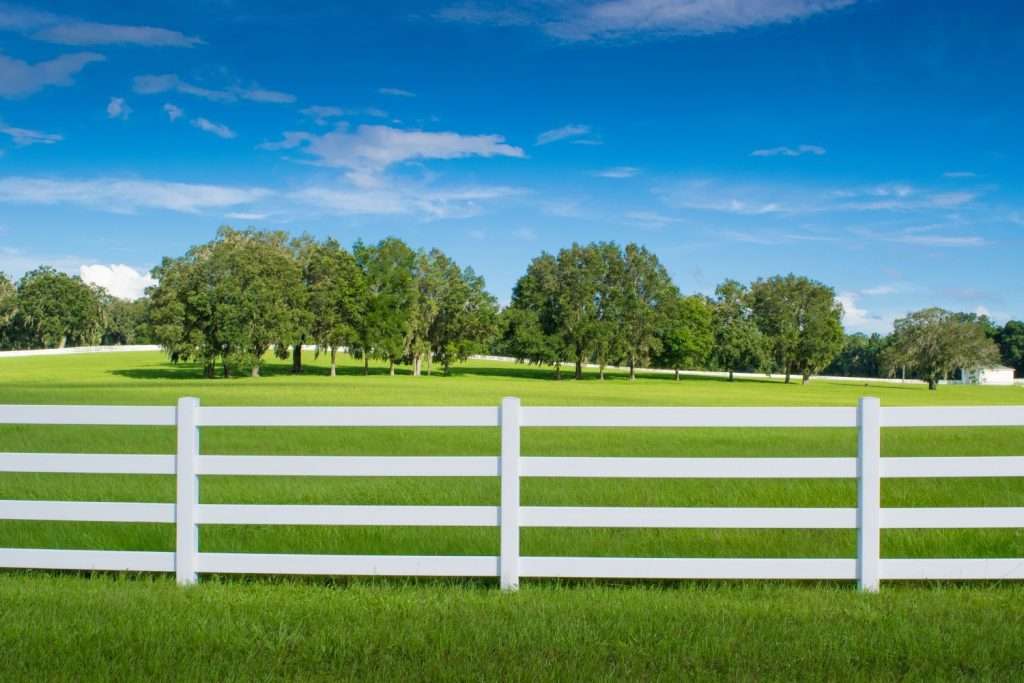
Ocala’s neighborhoods and surrounding farmland feature a variety of fence styles designed for different needs. Privacy fences are common for residential homes, offering seclusion and security from nearby streets or neighbors. In horse country, many property owners opt for classic wood or vinyl rail fencing, which keeps livestock safe while complementing Ocala’s equestrian heritage.
Pool fencing is another frequent installation, especially since Florida law requires barriers at least four feet high with self-closing, self-latching gates for safety. For homeowners who want to make a statement, decorative aluminum or vinyl fencing can add instant curb appeal, creating a polished look that stands up to Ocala’s climate.
#3: The Professional Installation Process: What to Expect
Professional fence installation in Ocala gives you more than just a finished product—it provides assurance that your project will be handled with precision and care. When you choose Florida State Fence for your fencing project in Ocala, from the very first consultation to the final inspection, you can expect a smooth process designed to save you time, reduce stress, and deliver a great looking fence that’s built to last.
Initial Consultation and Estimate
Your project begins with an on-site consultation and property assessment. During this visit, the installer will review your goals, measure your property, and identify any challenges such as slopes or utility easements. After the assessment, you’ll receive a detailed free estimate outlining materials, labor, and timeline expectations. For most residential properties in Ocala, the average fence installation takes just one to two days once the work begins.
Professional vs. DIY Installation
While some homeowners consider tackling a fence project themselves, hiring a professional makes a big difference. Contractors bring the proper equipment, years of hands-on experience, and the advantage of warranties on both materials and labor. A DIY job often lacks these guarantees, and mistakes in alignment, depth, or materials can shorten the life of your fence. By relying on trusted fence installers, you’ll save time, avoid costly errors, and benefit from workmanship that’s guaranteed to stand up to Florida’s climate.
Safety and Installation Day Procedures
Before any digging begins, professionals will contact 811 to have underground utilities marked. This is a critical step for protecting both safety and infrastructure. On installation day, crews arrive with all materials, set posts securely in concrete, and assemble panels or rails according to your chosen design. Once the fence is complete, the team performs a thorough final inspection to confirm quality, alignment, and compliance with local requirements. You’ll also receive warranty details for added peace of mind.
Why Choose Florida State Fence
With over 15 years of experience, Florida State Fence has become one of the most trusted fencing installers in Ocala, Florida. Our team uses locally manufactured materials to deliver strong, attractive fences that hold up in Florida’s demanding climate. Professional crews, reliable warranties, and a long-standing reputation have made us the go-to choice for homeowners and businesses looking for quality and lasting value in their Ocala fencing project.
#4: Maintaining Your Fence in Florida’s Climate
Once your new fence is installed, regular upkeep is the key to keeping it looking great and performing well in Florida’s challenging environment. Because of the constant heat, moisture, and storm activity, fence maintenance in Florida humidity requires a little extra attention throughout the year. A simple seasonal care routine can prevent costly damage and extend the life of your investment.
Annual Maintenance by Material Type
Each fencing material has its own care needs:
- Wood fences should be sealed or stained every two to three years to protect against moisture and sun exposure.
- Vinyl fencing only needs an annual cleaning with soap and water to prevent mold and mildew growth.
- Aluminum fencing benefits from a yearly pressure wash to keep it free from dirt and debris.
- Chain link fences should be inspected annually for signs of rust. Applying a protective coating helps extend their lifespan in Florida’s humidity.
Seasonal and Storm Preparation
In addition to routine upkeep, it’s wise to prepare your fence for hurricane season. Trim back trees and loose branches, check that posts are secure, and clear away debris that could become airborne in high winds. A hurricane resistant fence made from vinyl or aluminum will withstand storms better, but reinforcing gates and inspecting fasteners before major weather events adds another layer of protection.
Common Problems in Florida Fencing
Florida’s climate can create unique challenges for homeowners. Mold and mildew thrive in damp conditions, while UV rays can fade paint or stain over time. Wood fences are particularly vulnerable to termite damage, making regular inspections essential. Addressing these issues early prevents small problems from becoming larger, more expensive repairs.
Repairs and Warranty Support
If your fence is leaning, sagging, or showing significant wear, it may be time to call for professional repairs. Skilled installers can replace damaged panels, reset posts, or address structural issues before they worsen. Fencing projects by Florida State Fence are also backed by fence warranty coverage and service, giving you added confidence that your investment is protected for the long haul.
Ready to Start Your Fence Installation in Ocala?
From permits and HOA approvals to choosing the right materials and planning long-term care, installing a fence in Ocala doesn’t have to be overwhelming. With the right team by your side, you can enjoy a smooth process and a beautiful, durable fence that’s built for Florida’s climate.
At Florida State Fence, we bring more than a decade of expertise to every project, along with locally manufactured materials and a commitment to top-quality workmanship. If you’re ready to add privacy, security, and value to your property, our team is here to help. Contact us today to schedule your free estimate and get started with Ocala’s best fence installers.