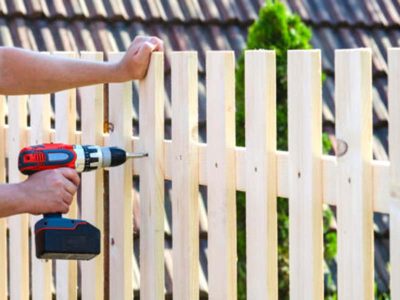
A backyard fence is more than just a boundary—it enhances security, privacy, and curb appeal. With homeowners in the U.S. spending $827 billion on home improvement, investing in a high-quality fence can be a smart way to add value to your home. But with so many fencing materials available, how do you choose the right one?
Let’s explore the best fencing materials for your backyard, highlighting the benefits, maintenance needs, and overall durability of each.
Cedar Fencing: Natural Beauty and Durability
Cedar is one of the most popular choices for wood fencing, offering a rich reddish hue and tight grain that enhances any backyard. Unlike other woods, cedar resists warping and shrinking, making it a long-lasting option.
Pros:
✔ Naturally resistant to decay and insects
✔ Attractive grain and color
✔ Withstands weather conditions better than standard wood fences
Cons:
✖ Requires periodic sealing or staining to maintain appearance
✖ More expensive than pressure-treated wood
Maintenance Tip: Apply a sealant shortly after installation and reapply annually to prevent moisture damage and keep your cedar fence looking fresh.
Vinyl Fencing: Low Maintenance & Long-Lasting
Vinyl fencing has come a long way from the flimsy materials of the past. Modern vinyl fences are thick, durable, and resistant to sagging and yellowing.
Pros:
✔ Extremely low maintenance—no need for painting or staining
✔ Resistant to rot, pests, and weather damage
✔ Available in a variety of colors and styles
Cons:
✖ Higher upfront cost compared to wood
✖ Can become brittle in extreme temperatures
Maintenance Tip: Pressure wash your vinyl fence once a year to remove dirt and keep it looking new.
Trex Composite Fencing: Wood Look Without the Maintenance
If you love the look of wood but want something more durable, Trex composite fencing is an excellent choice. Made from a blend of wood fibers and plastic polymers, composite fencing mimics real wood while eliminating the common downsides like rotting and insect infestations.
Pros:
✔ Long-lasting and weather-resistant
✔ Requires minimal maintenance
✔ Available in various colors and styles
Cons:
✖ More expensive than wood or vinyl
✖ May fade over time with prolonged sun exposure
Maintenance Tip: Avoid cheap composite materials, as they may degrade quickly. Investing in high-quality composite fencing ensures longevity.
Aluminum Fencing: Classic and Contemporary
Aluminum fences offer a sleek and timeless look, providing both security and style. Whether you want an ornamental design or a modern aesthetic, aluminum fencing is a durable and low-maintenance choice.
Pros:
✔ Highly durable and long-lasting
✔ Provides excellent security
✔ Customizable designs for a unique look
✔ Rust-resistant and requires minimal upkeep
Cons:
✖ Can be expensive depending on the design
✖ Less privacy than solid fencing options
Maintenance Tip: Aluminum fencing requires little maintenance, but occasional cleaning with soap and water helps maintain its appearance.
Chain Link Fencing: Affordable and Functional
If your priority is affordability and practicality, chain link fencing is a solid option. It’s widely used for keeping pets and children safe while offering visibility and airflow.
Pros:
✔ Budget-friendly and easy to install
✔ Low maintenance
✔ Long lifespan with galvanized or coated options
Cons:
✖ Lacks privacy (though slats or vines can be added)
✖ Not as visually appealing as other materials
Maintenance Tip: Choose a vinyl-coated chain link fence for better aesthetics and added durability.
Choosing the Right Fence for Your Backyard
The best fencing material depends on your priorities. If aesthetics and durability matter most, cedar or composite fencing is ideal. For low maintenance, vinyl or aluminum fencing is the way to go. If budget is your main concern, chain link fencing is the most affordable option. Learn about other considerations for your fencing project.
Before making a decision, consider:
- Your Budget – What are you willing to invest in upfront and for long-term maintenance?
- Privacy Needs – Do you want full privacy or a more open design?
- Weather Conditions – How does your local climate affect fencing materials?
- HOA or Local Regulations – Are there any restrictions on fencing materials or styles in your area?
Installing a backyard fence is a major home improvement project that requires precision. A poorly installed fence can lead to issues like uneven posts, warping, or reduced durability. Hiring a professional ensures your fence is installed correctly, saving you time and money in the long run.
Ready to upgrade your backyard with a high-quality fence? Contact us today to explore your options and get a free quote!