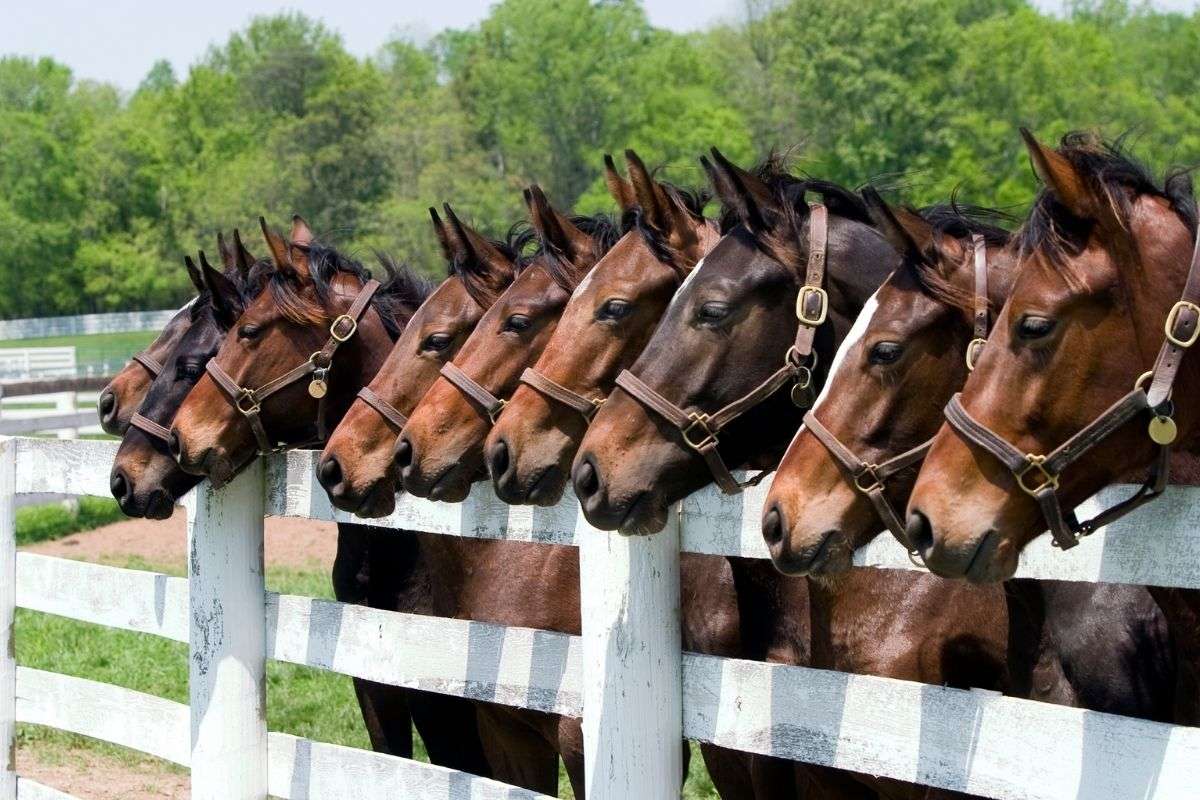
To protect your horses and preserve your investment in Marion County’s thriving equestrian community, you need to choose the right horse fence for Ocala, FL. You’re not just keeping animals contained—you’re creating a safe environment that stands up to Florida’s particular climate challenges. Whether you’re managing a breeding operation or maintaining paddocks for your personal riding horses, the fencing decisions you make today will impact your property’s safety, functionality, and value for years to come.
Ocala’s reputation as the “Horse Capital of the World” means local farm owners understand that quality Agricultural fencing (Ag fencing) is non-negotiable and needs to balance horse safety, Florida weather resistance, and long-term durability. Our comprehensive guide will walk you through your fencing options, local compliance and state safety regulations, and other considerations to help you make the best choice for your property and your horses.
Essential Horse Fencing Options for Marion County Equestrian Properties
Selecting the best equestrian fencing in Ocala depends on your specific needs, budget, and property layout. Each fencing material offers distinct advantages for Florida’s climate and soil conditions, and many successful operations use a combination approach to maximize both safety and cost-effectiveness across different areas of their property.
| Fencing Type* | Initial Cost (per foot) | Maintenance Level | Expected Lifespan | Horse Safety | Florida Climate Performance |
| Wood Board | $20-30 | High (painting, repairs, board replacement) | 10-15 years | Excellent (high visibility, flexible on impact) | Moderate (requires treatment for humidity and insects) |
| Vinyl | $20-35 | Low (occasional washing) | 25-30+ years | Excellent (high visibility, won’t splinter) | Superior (resists humidity, UV, and insects) |
| Wire/Combination | $10-20 | Moderate (tension checks, coating maintenance) | 15-20 years | Good (requires top rail for visibility) | Good (coated wire resists rust in humidity) |
*Aluminum fencing is not recommended for equestrian properties because it carries a higher risk of injury for horses.
Traditional Wood Board Fencing in Ocala’s Climate
Wood board fencing remains the gold standard on many Ocala horse farms, but material selection is critical in Florida’s humid environment. While Kentucky farms might opt for oak or poplar, pressure-treated pine is the top choice for Central Florida properties due to its natural resistance to moisture damage and insect activity. The pressure treatment process helps the wood withstand our intense humidity and seasonal rainfall without premature rotting or warping.
Most Thoroughbred farms in the Ocala area use either 3-board or 4-board configurations, with 4-board setups providing extra visibility and security for higher-value breeding stock. The choice often depends on the horses’ temperament and the specific use of each paddock or pasture. Training areas and turnout paddocks closer to barns typically warrant the additional board for enhanced safety.
Florida’s combination of moisture, heat, and aggressive insect populations—particularly termites and carpenter ants—creates unique challenges for wood fencing that don’t exist in drier climates. Regular inspection and maintenance is vital, particularly checking the bottom boards where ground moisture accumulates. While creosote-treated posts and rails offer superior longevity, availability has become limited in recent years, making proper installation techniques and post-treatment maintenance even more important for extending your fence’s lifespan.
Modern Vinyl Solutions
For farm owners looking to minimize long-term maintenance while maximizing durability, vinyl fencing has become increasingly popular across Ocala’s equestrian properties. Unlike wood, which requires regular sealing or board replacement in Florida’s humidity, high-quality vinyl products maintain their appearance and structural integrity with just an occasional washing. This translates to significant time and cost savings over a 20-year period. Check out our recent blog for an in-depth look at wood vs. vinyl fencing in Ocala’s climate.
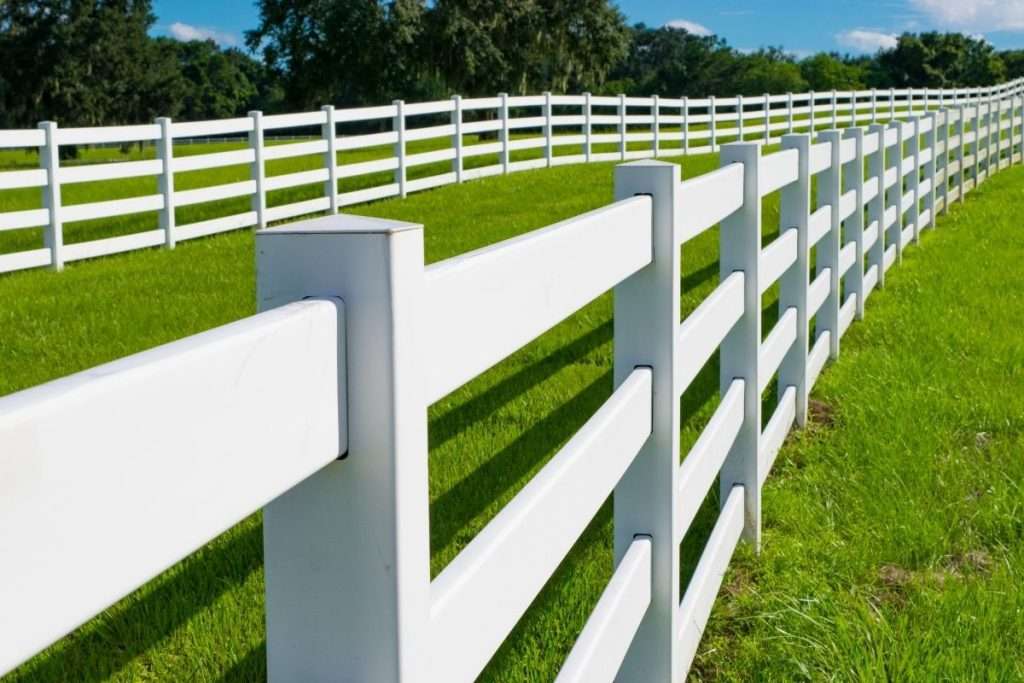
The visibility advantage of vinyl fencing shouldn’t be underestimated when it comes to horse safety. White or light-colored vinyl rails create clear visual boundaries that horses can easily see. This enhanced visibility helps prevent fence-running and reduces the risk of collision injuries, particularly important for young or nervous horses still learning property boundaries.
While the initial investment for vinyl fencing runs higher than wood—typically 30-50% more upfront—the cost-benefit analysis favors these modern materials over time. When you factor in Florida’s harsh conditions, wood fencing may need significant repairs or full replacement within 10-15 years, while quality vinyl systems can last 30 years with minimal intervention. For commercial operations near the World Equestrian Center corridor, where property appearance impacts business reputation, the consistent, clean look of vinyl also provides ongoing marketing value.
Wire and Combination Fencing Systems
One of the most practical configurations for larger pasture areas combines non-climb wire mesh with a top board—a setup you’ll see throughout Ocala’s countryside. This combination approach delivers excellent containment at a lower per-foot cost than full board fencing, while the top rail (usually wood or vinyl) adds crucial visibility that wire alone lacks. The result is a safe, economical solution that works particularly well for perimeter fencing on larger properties.
Diamond mesh (sometimes called V-mesh) tends to be slightly more flexible and forgiving if a horse does make contact, while square knot patterns offer more rigid containment. Both work effectively in Florida, though ensuring the wire has a protective coating—either vinyl or powder coating—extends its life in our climate.
Visibility enhancement remains the primary consideration with any wire fencing system. Beyond the top board, some farms add white or high-visibility coating to the wire itself, or incorporate colored tape along the top strand. These modifications help ensure horses can clearly see the barrier, particularly important for Florida properties where year-round grazing means horses interact with fence lines daily rather than just during seasonal turnout. The key is making the fence obvious to the horse’s eye while maintaining the structural integrity needed to contain even determined animals safely.
Florida Fencing Requirements and Safety Standards
Understanding and meeting Florida’s horse fence height requirements protects both your horses and your legal liability as a property owner. While safety should always be the primary concern, compliance with state and local regulations ensures your farm operates within proper guidelines and maintains its value in Marion County’s competitive equestrian real estate market.
Height Requirements for Different Horse Types
Florida Statute 588.01 establishes that general Ag fences must be at least 5’ high, a standard that works well for most horse containment applications. This minimum height applies to perimeter fencing and provides adequate containment for average-sized horses in calm grazing situations. However, many Ocala farms exceed this minimum to ensure security across different horse types and temperaments.
For paddock areas where horses spend significant time or where multiple horses interact, most experienced farm managers recommend 4.5’ to 6’ based on the size and behavior of your specific animals. Smaller ponies and miniature horses can be safely contained at the lower end of this range, while larger Thoroughbreds and warmbloods typically require the full 5’ to 6’. Property layout matters too—paddocks adjacent to high-activity areas may need taller fencing to discourage horses from attempting to see over or reach across the fence line.
Special considerations become necessary for certain horse types that present unique challenges. Jumpers often require 6-foot fencing as a precaution, particularly in areas where they can build up speed. Stallions notoriously test fence systems more aggressively than geldings or mares and may need both additional height and reinforced construction to prevent escapes or injuries. Some breeding farms running active stallion operations opt for 6-foot fencing with closer post spacing and additional rails to create an extra-secure containment system.
Local Regulations and Property Considerations
Marion County maintains specific setback requirements and zoning regulations that affect fence installation on equestrian properties. While agricultural zoning typically provides more flexibility than residential classifications, you’ll still need to verify setback distances from property lines, roads, and neighboring structures before breaking ground. These requirements can vary based on your property’s zoning designation and whether you’re in an incorporated area or unincorporated Marion County.
Many of Ocala’s established equestrian neighborhoods and developments include deed restrictions that go beyond basic county requirements. These restrictions might dictate fence color, style, height, or materials to maintain a cohesive aesthetic throughout the community. Before purchasing materials or hiring contractors, review your property’s deed thoroughly and check with your homeowners association if applicable. What’s permitted under county code might still violate your community’s covenants.
Professional surveyors and experienced fence installers recommend positioning your fence several inches inside your actual property boundaries rather than directly on the line. This practice prevents accidental encroachment onto neighboring property, which can create legal complications and require costly fence relocation down the road. A proper boundary survey before installation will provide peace of mind and help avoid disputes with your neighbors. The modest cost of a survey proves worthwhile compared to the expense and hassle of relocating an improperly placed fence.
Safety Features and Best Practices
Proper ground clearance prevents injuries and maintenance headaches on Florida horse farms. The standard 8-12” clearance between the bottom rail and ground level serves multiple purposes: it reduces wood rot from ground moisture contact, prevents horses from catching hooves under the fence, and makes mowing and vegetation management much easier. Some farms in wetter areas of Marion County increase this clearance slightly to account for seasonal flooding or standing water.
Florida Horse Fence Safety Checklist:
- Maintain 8-12’ post spacing for optimal strength and horse safety
- Use round or smooth-edged materials—avoid sharp edges or protruding hardware
- Install gates at least 16’ wide to accommodate farm equipment and trailers
- Eliminate all barbed wire and T-posts from horse areas (cattle fencing isn’t horse-safe)
- Ensure consistent fence height with no sagging sections
- Remove any debris, nails, or broken boards immediately
- Check for and eliminate any gaps wider than 6” between rails
- Position water troughs and feeders at least 8’ from fence lines
- Maintain clear sight lines at corners to prevent collision injuries
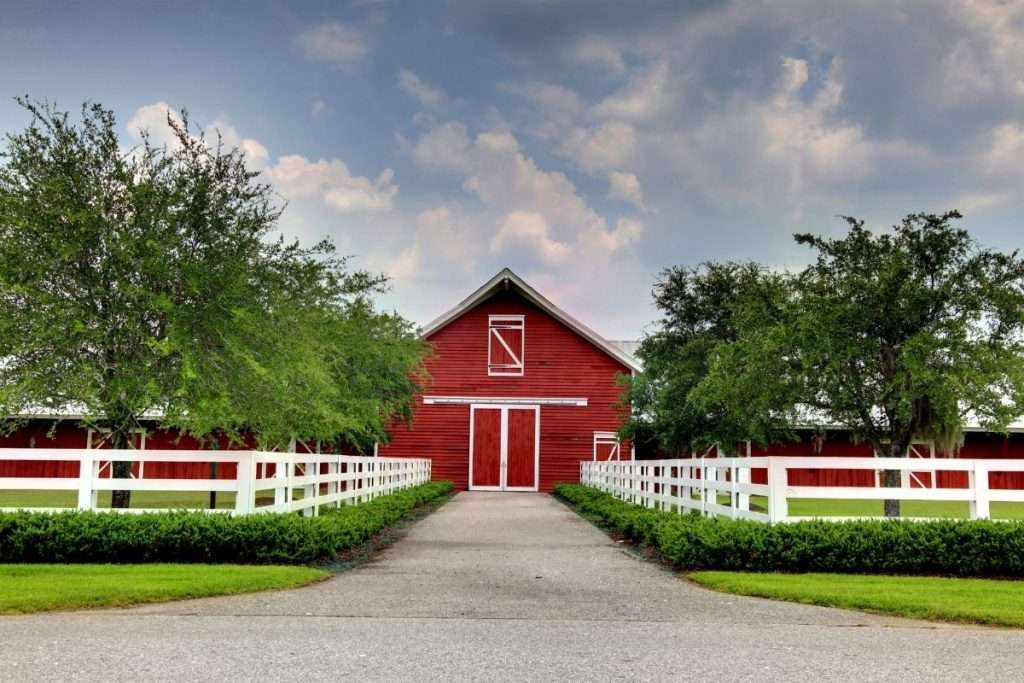
Gate specifications deserve special attention since they’re both the most-used and most vulnerable part of any fence system. A 16’ width accommodates tractors, hay trucks, and horse trailers comfortably, though some operations install multiple gate sizes for different purposes. The gate should swing smoothly, latch securely with a horse-proof mechanism, and be constructed from the same or stronger materials as the fence itself. Many Ocala farms install self-closing hinges and double-locking systems to prevent accidental openings, particularly important during the busy activity seasons when major events bring increased traffic to the area.
Professional Installation for Ocala’s Premier Equestrian Facilities
The quality of your horse fence installation in Ocala, Florida, matters just as much as the materials you select, due to our local soil conditions and climate. Experienced contractors who understand Central Florida’s sandy soils, high water tables, and seasonal weather patterns know that proper post setting techniques can make the difference between a fence that lasts 30 years and one that requires costly repairs within five.
Florida’s soil composition varies significantly even within Marion County, ranging from deep sandy areas to pockets with higher clay content or limestone bedrock. Sandy soils require deeper post holes and benefit from concrete setting to prevent shifting over time, while wetter areas may need additional drainage considerations or gravel backfill. An experienced installer assesses your specific property conditions and adjusts techniques accordingly rather than using a one-size-fits-all approach that might work in other states but fails here in Florida.
One advantage of working in Florida’s climate is the ability to install fencing year-round without the weather delays common in northern states. However, timing your Ocala fence installation to coordinate with other farm infrastructure projects—such as water line installation, arena construction, or building additions—can save money and minimize disruption to your operation. Professional installers like Florida State Fence understand the importance of maintaining safe temporary containment during construction. We can work around your farm’s schedule and horse management needs.
The corridor between HITS Ocala and the World Equestrian Center (located at 1750 NW 80th Avenue) has seen tremendous growth in equestrian facilities over the past decade. Florida State Fence’s teams serving this area understand the importance of quality installation for properties that may host clients, students, or visitors, particularly during major events when your farm’s appearance reflects on your professional reputation.
Maintenance planning should begin before installation is even complete. Florida’s growing season runs year-round, meaning vegetation management along fence lines becomes an ongoing task rather than a seasonal one. Establishing a maintenance schedule from the start—including regular inspections, vegetation control, and minor repairs—prevents small issues from becoming major problems and significantly extends your fence’s functional life.
Long-Term Value and Maintenance in Florida’s Horse Country
When evaluating Ag fencing options for your Ocala property, looking beyond initial costs to lifetime value provides a more accurate picture of your investment. A wood fence installation might run $20-30 per foot initially, but factor in repainting every 3-4 years, board replacement, and eventual full reconstruction at the 15-year mark, and your actual per-year cost increases substantially. Meanwhile, a vinyl system at $20-35 per foot might last 30+ years with minimal upkeep, ultimately providing better value despite the higher upfront price.

Florida’s specific maintenance challenges (humidity, intense sun exposure, and rapid vegetation growth) affect all fencing materials differently:
- Wood fences require the most attention, with annual inspections for rot, insect damage, and board integrity, plus regular painting or sealing to prevent weather damage.
- Vinyl fences need far less intervention, typically just periodic washing and hardware checks.
- Wire fencing systems fall somewhere in between, requiring tension adjustments and periodic coating touch-ups but avoiding the extensive maintenance wood demands.
Fence line maintenance schedules need to account for Florida’s aggressive plant growth, which can quickly overtake poorly maintained boundaries. Many successful Ocala farms establish quarterly fence line clearing schedules, removing vines, trimming grass, and checking for tree limbs that might damage fencing in summer thunderstorms. This regular attention prevents vegetation from pulling down fence sections or creating hidden weak spots that could lead to injuries or escapes.
The return on investment for quality fencing extends beyond just avoiding replacement costs. In Ocala’s competitive market, well-maintained farms with proper fencing command premium prices and sell faster than properties requiring fence updates. Buyers shopping for horse property near prestigious venues like the World Equestrian Center, HITS, and Florida Horse Park expect turnkey operations with safe, attractive fencing already in place. The difference in horse farm property values in Ocala often exceeds the fence investment by a substantial margin.
Quality fencing also impacts your daily farm operations and insurance considerations. Secure, safe fences reduce the risk of horse escapes, injuries, and liability claims—factors that insurance companies consider when underwriting equestrian properties. Some insurers offer reduced premiums for farms that meet or exceed safety standards, including proper fencing specifications. And good Ag fencing simply makes farm management easier, reducing the time and stress spent dealing with fence repairs, escaped horses, or preventable injuries.
As Marion County’s equestrian industry continues growing and evolving, investing in a quality farm fence in Ocala, Florida, represents both a practical necessity and a strategic business decision. Whether you’re preparing for your first breeding season or updating an established operation, the fencing choices you make today will influence your farm’s safety, efficiency, and value for decades to come. Ready to discuss fencing options for your Ocala horse farm? Florida State Fence brings over 15 years of experience installing horse-safe fencing throughout Central Florida’s equestrian properties. We understand Marion County’s regulations, soil conditions, and the specific needs of horse farms—from small private operations to commercial facilities. Contact us today for a consultation and quote tailored to your property’s unique requirements.